We use cookies. See our cookie policy.

casestudy/sparc

Case Study

SPARC

SPARC moved from broadly framed and internally written materials to two audience-specific narratives that made the project easier to champion, support, and implement.

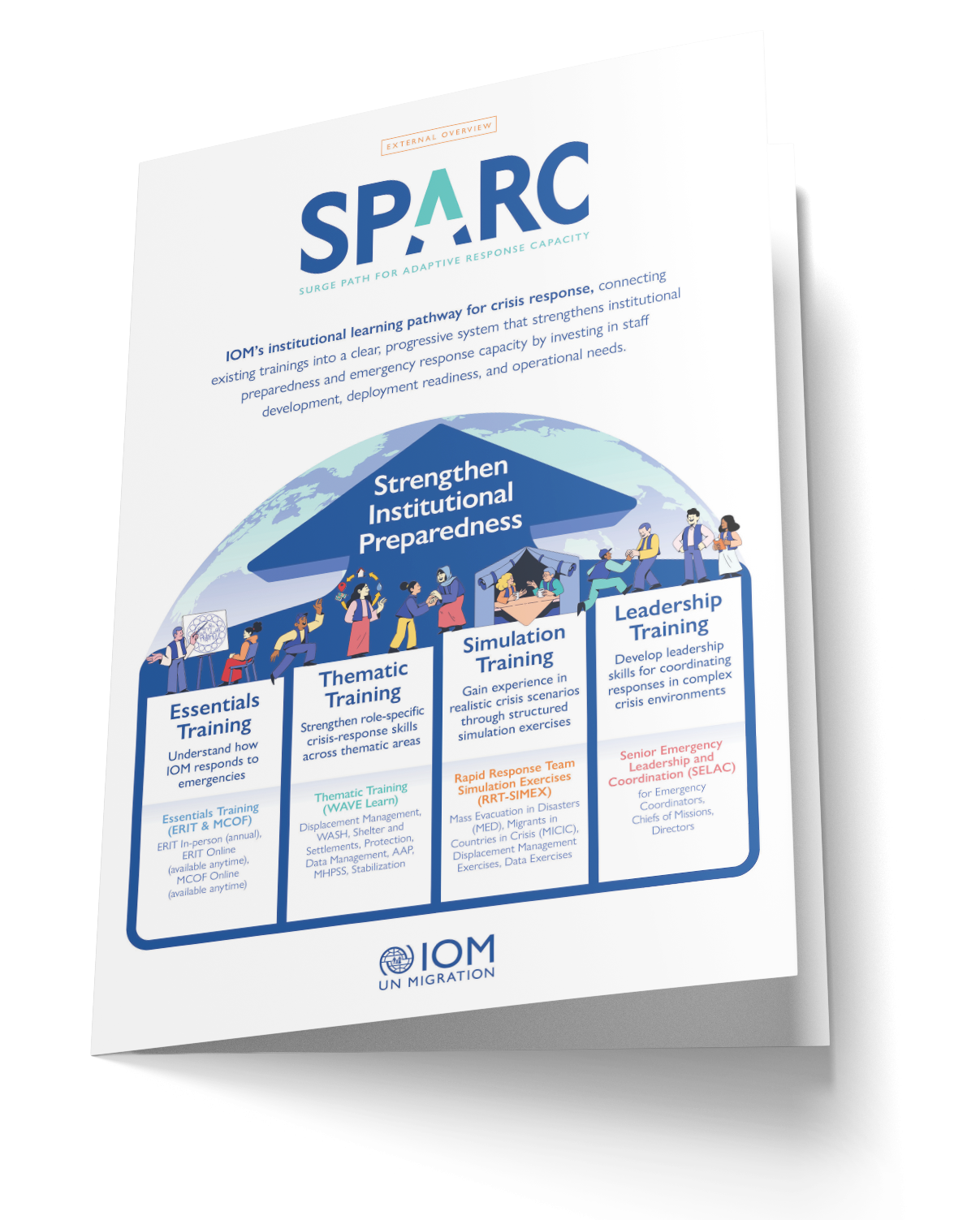
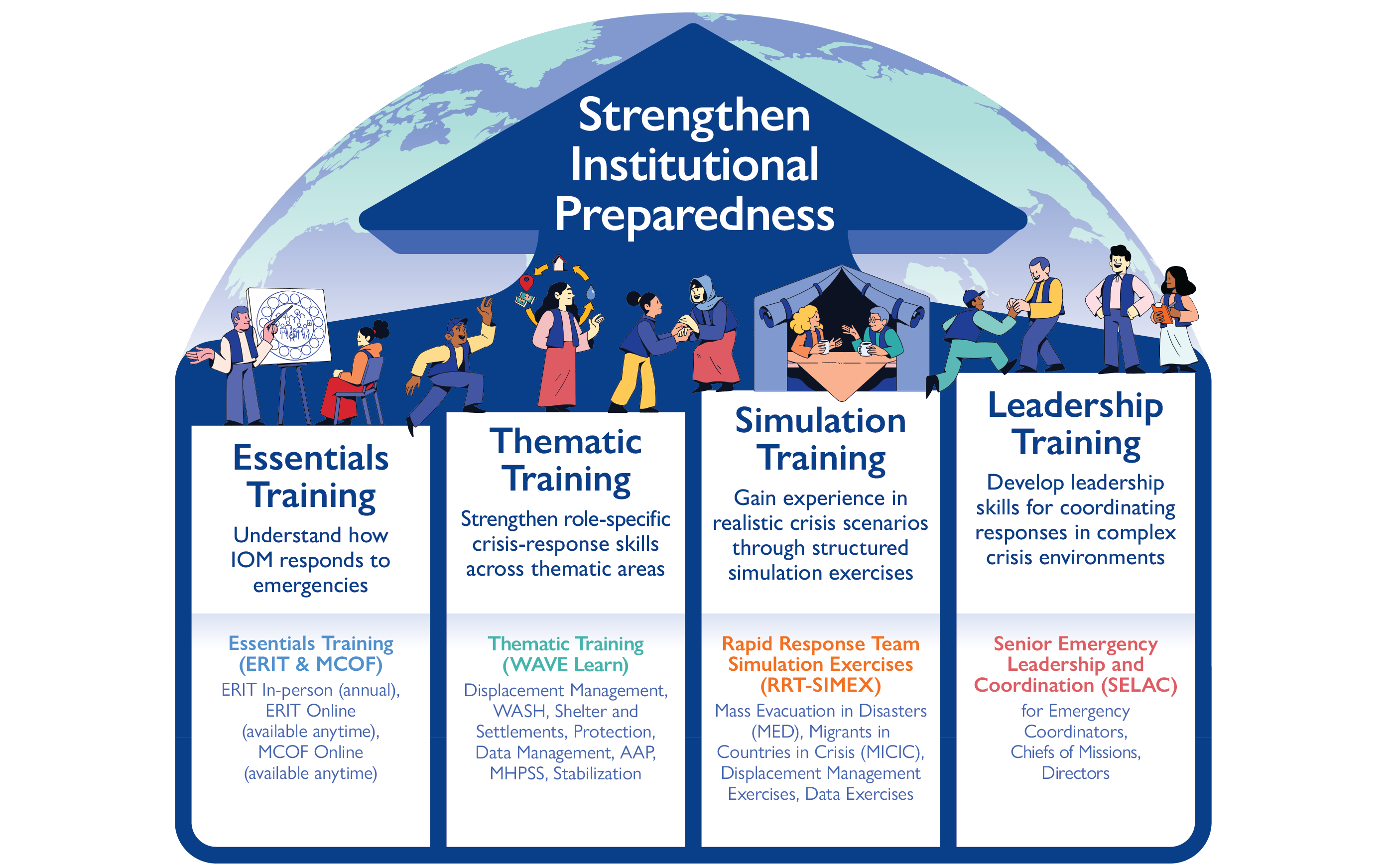
SPARC overview visual

Client

International Organization for Migration (IOM – UN Migration)

Focus

Stakeholder positioning, messaging, and communication structure

Outcome

Two audience-specific versions with clearer messaging and calls to action

Situation

Strong technical work,
weak stakeholder fit

SPARC had developed multiple factsheets and project materials over time. The technical content was strong, but the messaging varied across documents and audiences. Language was internally written, positioning was not always explicit, and staff lacked a concise narrative they could confidently use in donor and internal conversations.

Challenge

The project explained what it was, but not why it mattered to each audience

01

Messaging tried to serve multiple audiences at once, which made the communication feel broad rather than persuasive.

02

Leadership and prospective candidates needed different reasons to engage, but those decision drivers were not clearly defined.

03

Materials described the initiative, but did not make the next step obvious for the people whose support mattered most.

Solution

We rebuilt the story around decision-making

01. Clarified the positioning

We worked with the team to define SPARC's core positioning and identify the two stakeholder audiences most capable of advancing its objectives.

02. Focused the communication

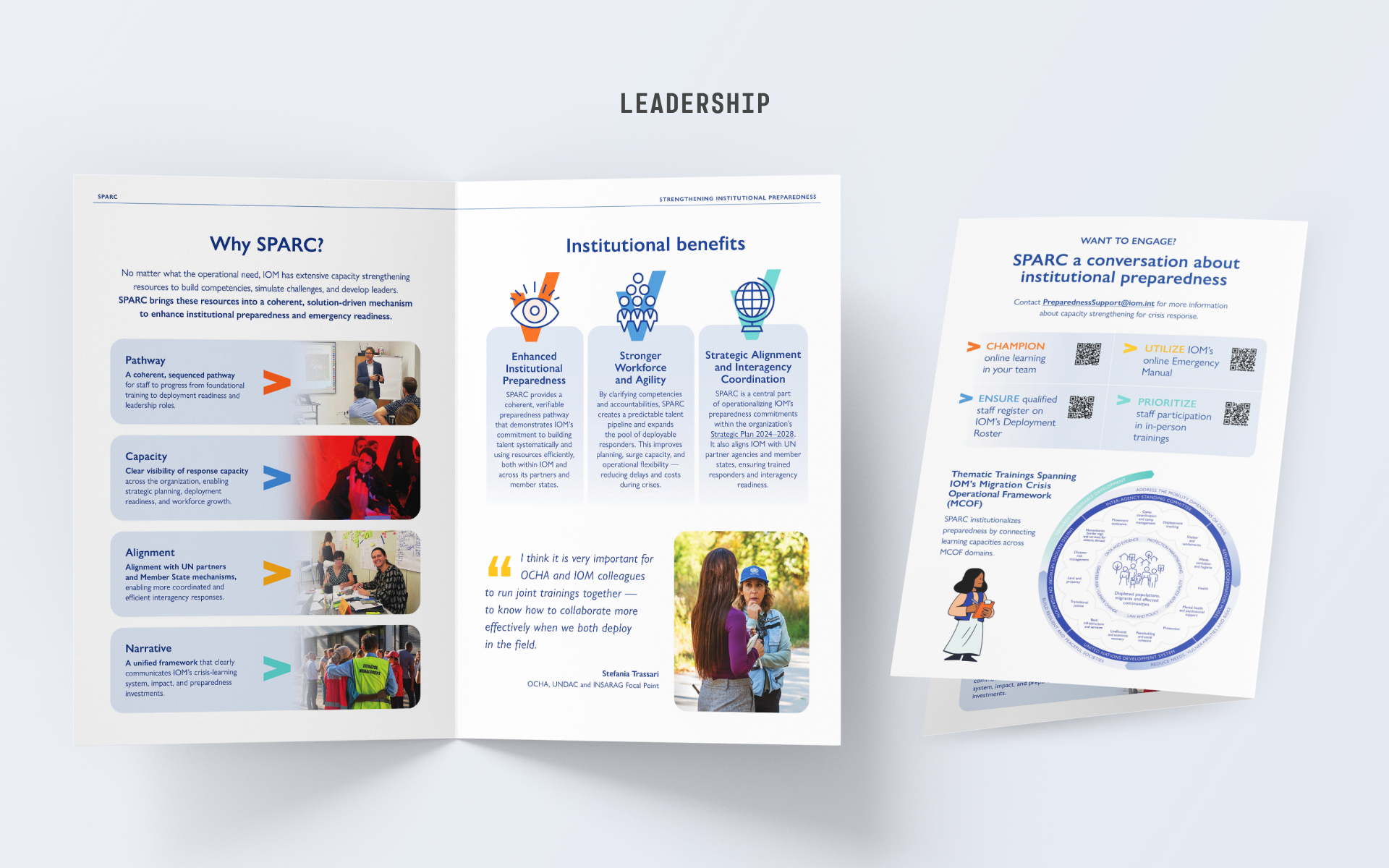
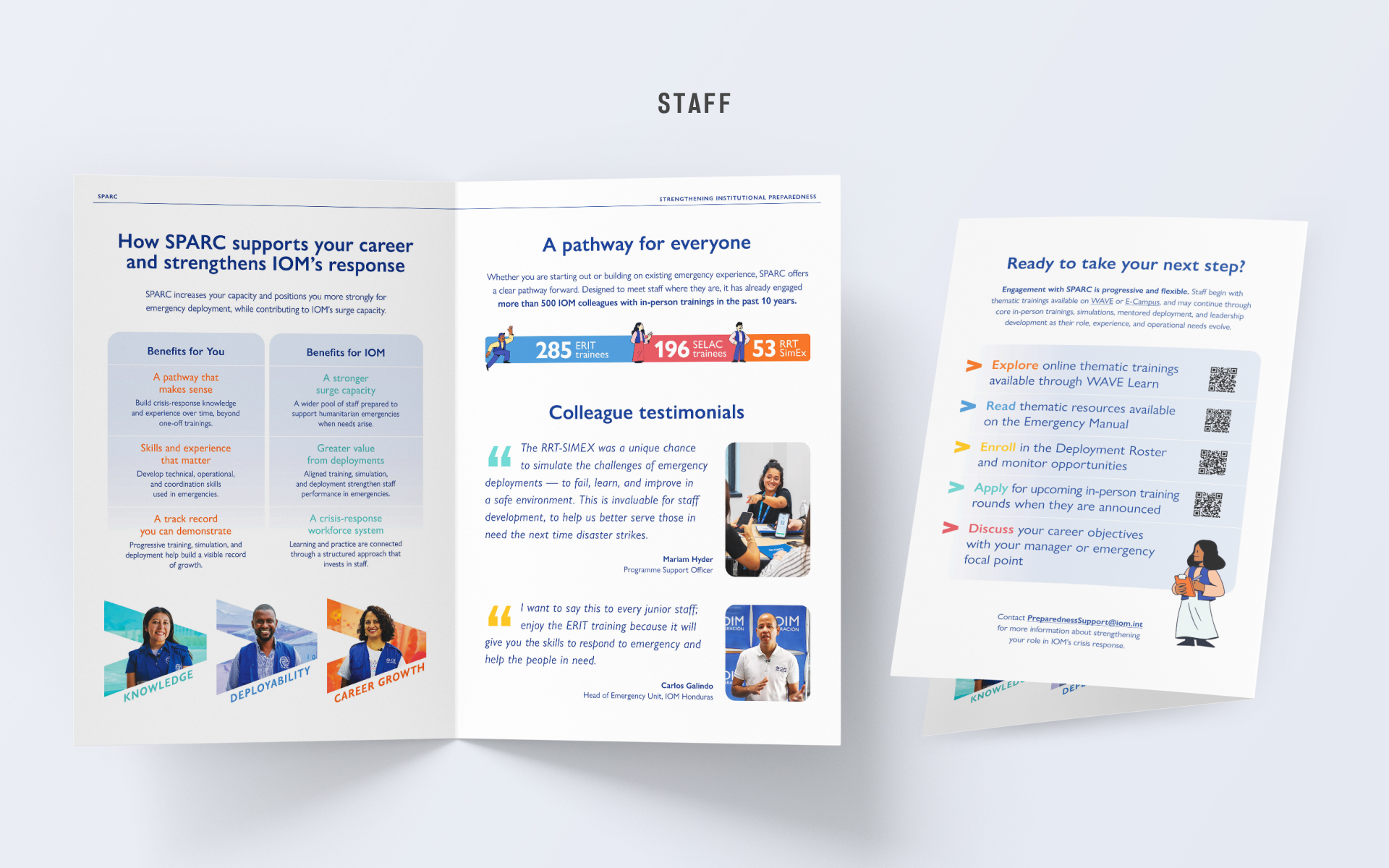
Rather than speaking to everyone at once, we restructured the materials to speak directly to prospective candidates and leadership, each with clearly articulated priorities.

03. Turned fragmented materials into a usable narrative

We consolidated disconnected documents, aligned the language with institutional priorities and donor-facing impact framing, and built clearer calls to action into the communication.

Result

From internally descriptive to audience-aligned

SPARC moved from internally descriptive materials to audience-aligned narratives. Messaging for prospective candidates reflected real career motivations, while leadership materials clarified institutional relevance. The initiative became easier to champion internally and more compelling to engage with.

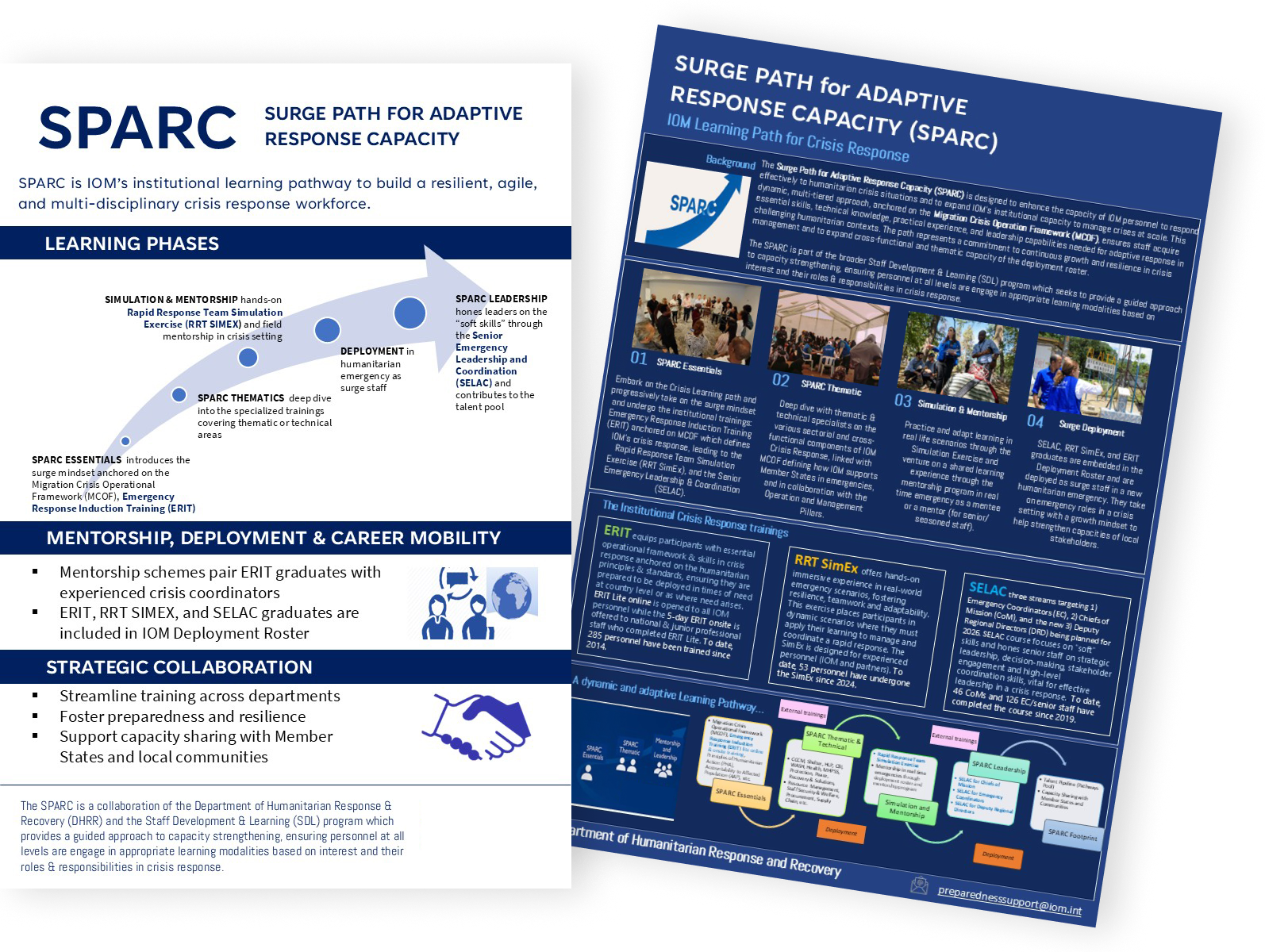
Before

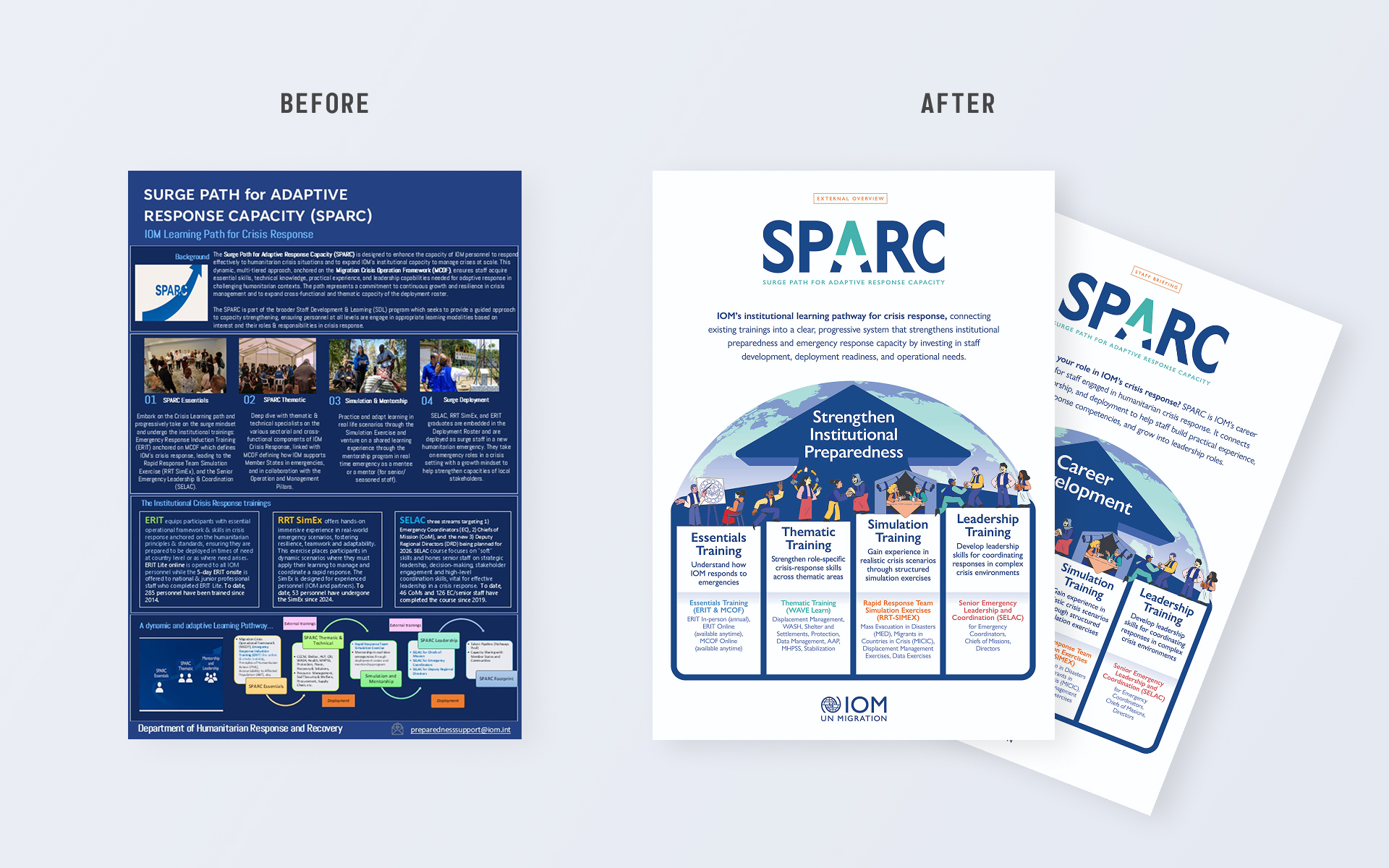
SPARC before material 1SPARC before material 2
  • Multi-purpose communication
  • Mixed messaging across materials
  • No clear audience-specific actions

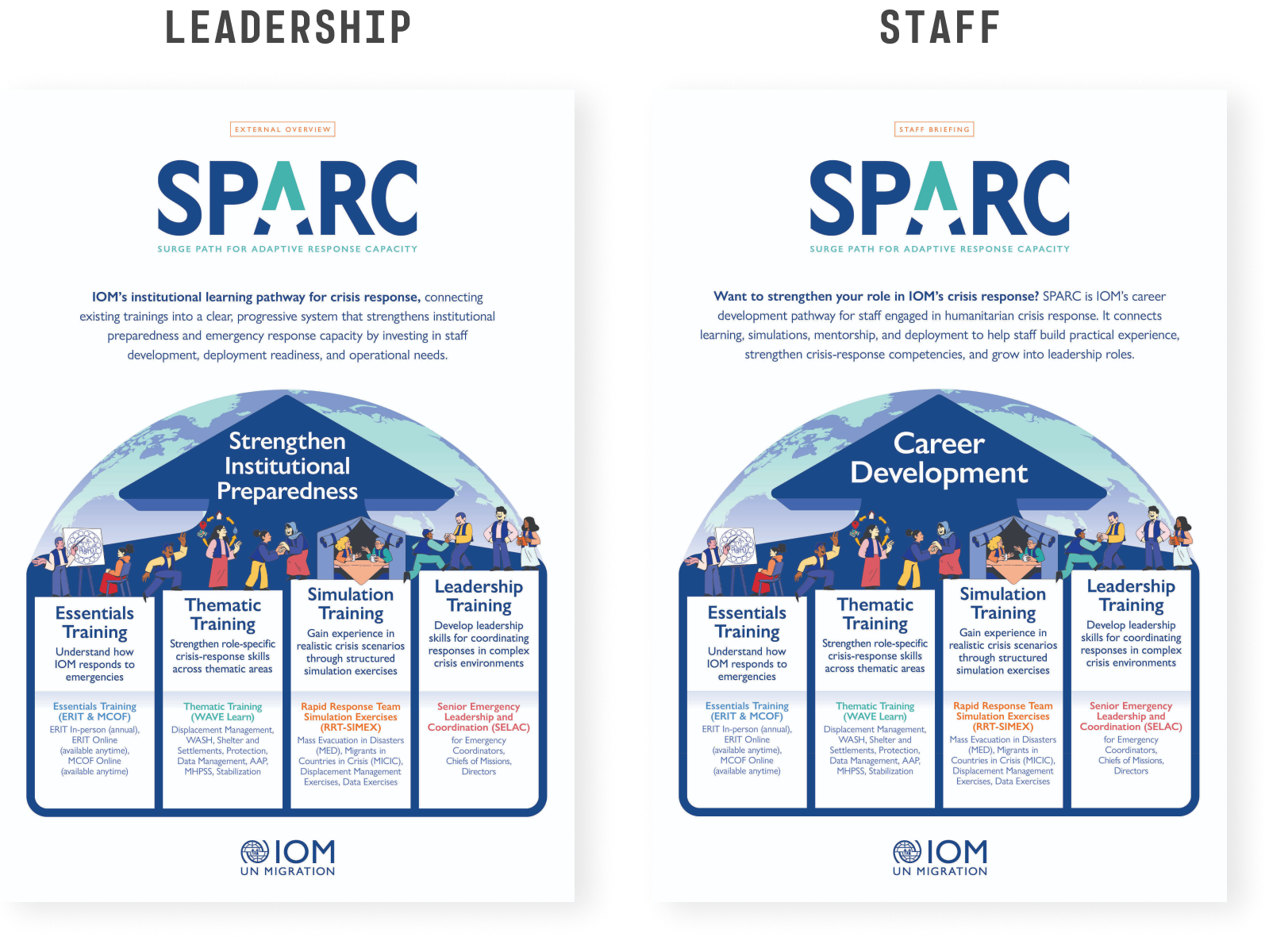
After

SPARC after material 1SPARC after material 2
  • Two audience-specific versions
  • Clearer structure and positioning
  • Messaging tied to audience priorities and action